-
Day
1LA PAZ (11,810 ft./3600 m). – SAJAMA VILLAGE (13,779 ft./ 4200m.) -SAJAMA BASE CAMP (15,419ft./ 4700m.)
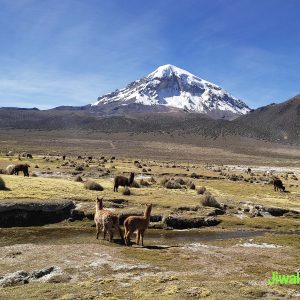
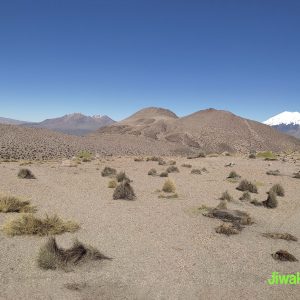
At 8:30 a.m., we will pick you up from your hotel and begin a scenic three-hour drive in private transport toward the village of Sajama (4,200 m. / 13,779 ft.), located within Bolivia’s spectacular Sajama National Park. Along the way, you’ll enjoy views of high-altiplano landscapes, grazing llamas and alpacas, and the snow-capped peaks that dominate the region.
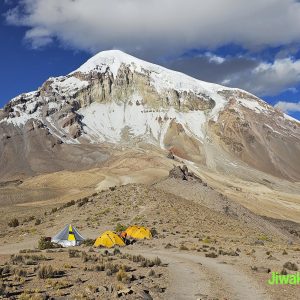
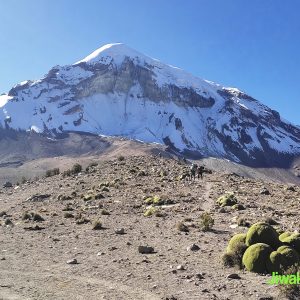
From Sajama village, we will begin a three-hour hike to the base camp of Sajama mountain or Volcano (4,700 m. /15,419 ft.). The ascent is gradual and offers plenty of opportunities to acclimatize while taking in the unique flora, wildlife, and panoramic views of the surrounding volcanoes.
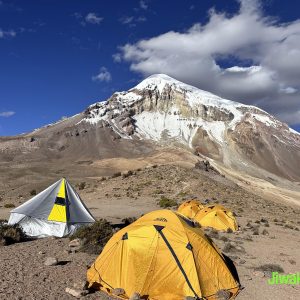
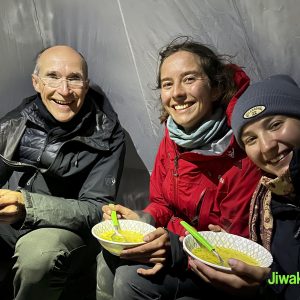
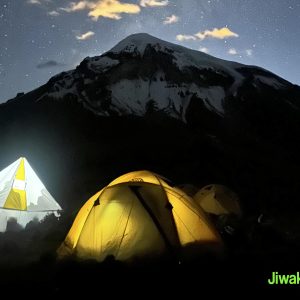
Upon arrival at base camp, we will enjoy hot drinks, while you settle into the high-mountain environment. Later, we will serve a freshly prepared dinner before resting for the night in comfortable expedition tents under the star-filled Andean sky.
-
Day
2SAJAMA BASE CAMP (15,419ft./ 4700m.) - HIGH CAMP OF SAJAMA (18,700 ft. / 5700m.)
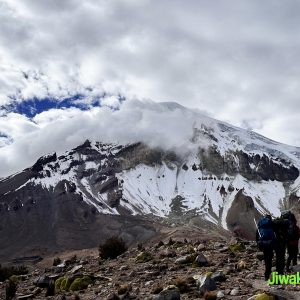
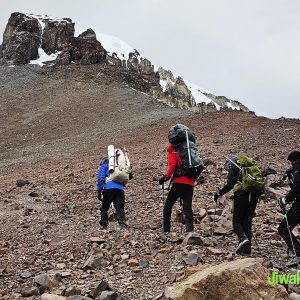
9: 00 am After breakfast, we will begin our ascent toward High Camp. The hike takes approximately six hours and follows a challenging route over sand, scree, and rocky terrain as we steadily gain altitude toward 5,700 meters. Throughout the journey, you’ll be surrounded by dramatic high-Andean landscapes.
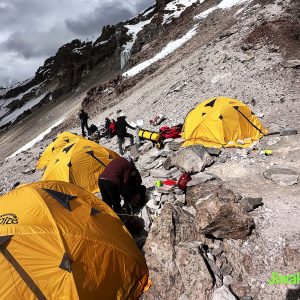
Upon reaching High Camp (5,700 m. / 18,700 ft.), we will set up our tents and take time to rest and continue acclimatizing. Your guide will review the plan for summit day, check climbing gear, and inform final tips for a safe and successful ascent. We’ll enjoy a warm meal at the end of the day and spend the night at High Camp in tents.
-
Day
3HIGH CAMP OF SAJAMA (18,700 ft. / 5700m.) - ASCEND TO SUMMIT (21,325 ft./ 6500m.) – BASE CAMP (15,419ft./ 4700m.) - SAJAMA VILLAGE (13,779 ft./ 4200m.)
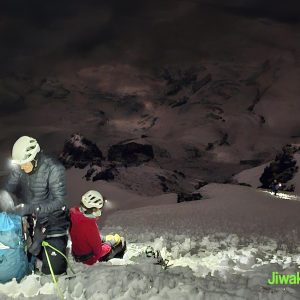
Our day will begin very early, with a wake up at around 2:00 a.m. We’ll get dressed in our climbing gear, check all equipment with the guide, and have a light but energizing breakfast to prepare for the ascent.
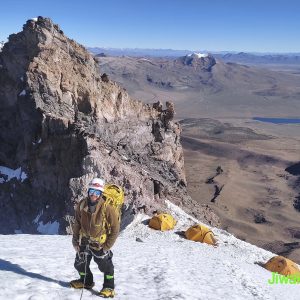
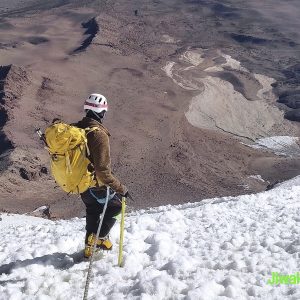
Once ready, we will start climbing under the starlit sky. The first part of the route takes us across sections of scree before reaching the glacier. Our first section on the glacier is inconsistent and loose. After that, we will follow a ridge until we reach the snow. Depending on the weather, the glacier may have penitentes of varying sizes. After overcoming these difficulties, we will reach a flat and immense summit, a crater filled with snow and ice.
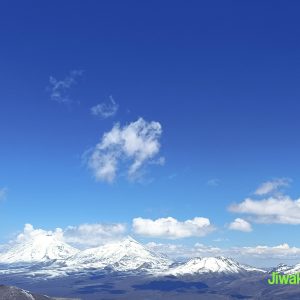
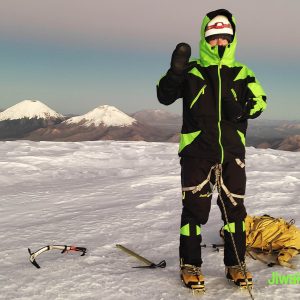
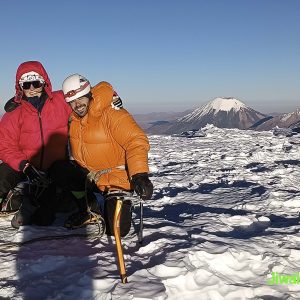
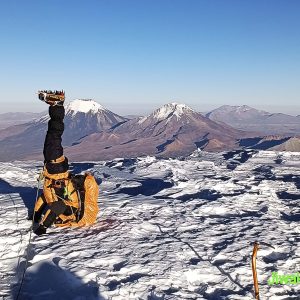
Upon reaching the summit, we will be rewarded with breathtaking panoramic views of the Cordillera Occidental, you’ll see the iconic twin volcanoes Parinacota and Pomerape, as well as the vast, colorful highland landscape illuminated by the sunrise—one of the most unforgettable moments of the expedition.
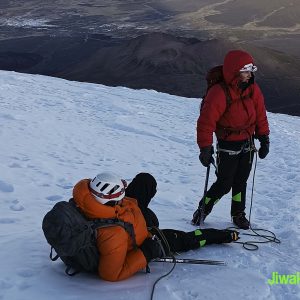
Our descent will be approximately three hours, via the same route back to High Camp.
After arriving to high camp, we’ll eat food and warm drinks to recover. We will then re-pack our gear and continue descending to Base Camp.
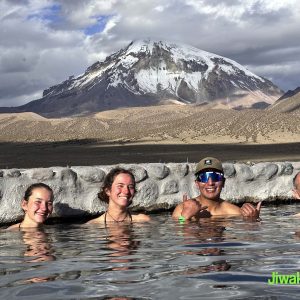
From Base Camp, our private transport will take us to the nearby hot springs, where you can relax your muscles and enjoy the natural thermal waters.
-
Day
4SAJAMA VILLAGE (13,779 ft./ 4200m.) - LA PAZ (11,810 ft./3600 m).
After breakfast, we will take some time to organize our gear and prepare for the journey back. Once everything is ready, we will return to La Paz, a scenic drive of approximately four hours.
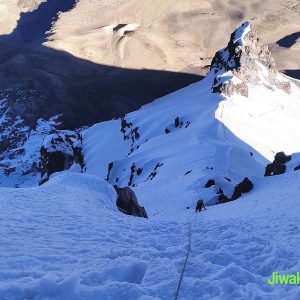
Sajama 6,542m. -4DAYS
4 Days 3 NightsSajama is an extinct volcanic peak located in the Oruro Department, approximately 200 km southwest of La Paz and close to the Chilean border. For experienced mountaineers seeking a true high-altitude adventure, climbing Sajama offers one of the most rewarding and challenging ascents in the Andes.
Why Climb Sajama?
Nevado Sajama is an excellent choice for climbers looking for a thrilling expedition. The climb is physically demanding due to its extreme altitude, freezing temperatures, dry air, and often strong winds. The route also includes steep sections that add to the challenge.
The effort is rewarded with spectacular scenery throughout the ascent and breathtaking panoramic views from the summit. On clear days, climbers can admire the famous Payachatas Volcanoes—Parinacota (6,342 m) and Pomerape (6,282 m)—along with countless snow-capped peaks stretching across Bolivia and Chile.
Sajama National Park
Sajama National Park is one of Bolivia's most remarkable protected areas. It is renowned for its unique high-altitude desert landscape, rich wildlife, and volcanic scenery.
The park is home to llamas, alpacas, vicuñas, Andean foxes, and flocks of pink flamingos. It also protects beautiful forests of queñua trees, the world's highest-growing forests. Visitors can enjoy impressive geothermal features, including natural hot springs and geysers, making the area an exceptional destination even beyond the climb itself.
Physical Requirements
Climbing Nevado Sajama requires excellent physical fitness and proper acclimatization. The combination of high altitude, low oxygen levels, cold temperatures, strong winds, and dry volcanic air makes this a demanding expedition.
To maximize your chances of reaching the summit safely and comfortably, climbers should arrive well acclimatized and have previous experience hiking or climbing at high altitude. Good cardiovascular fitness and endurance are essential.
Where Do Sajama Expeditions Start?
Most climbing expeditions begin in La Paz, Bolivia.
La Paz is easily accessible by international and domestic flights and is one of the world's highest capital cities, making it an ideal place to begin acclimatization. Many climbers also spend several days climbing peaks in the Cordillera Real before attempting Sajama.
The Normal Climbing Route
The standard route follows a gradual progression over several days:
- Day 1: Drive approximately 4 hours from La Paz to the village of Sajama, then hike about 3 hours to Base Camp (4,700 m).
- Day 2: Hike about 5-6 hours to high Camp (5,700 m).
- Day 3: Summit attempt (6,500 m). The climb to the summit and return to High Camp typically takes around 10 hours. After a short rest at high camp, descend to Base Camp or continue to the village.
- Day 4: From Sajama Village we retun to La Paz City.
Weather Conditions
Due to its extreme altitude, Nevado Sajama remains cold throughout the year. Temperatures frequently drop well below 0°C (32°F), especially during the night and on summit day. Strong winds are common and can make conditions feel significantly colder.
Best Time to Climb Sajama
The best season to climb Nevado Sajama is from May to October, during Bolivia's dry season. These months generally provide the most stable weather, clearer skies, and the best climbing conditions.Itinerary
INCLUDED FOR THE TOUR:
- A Professional Mountaineering Guide for every 2 customers
Experienced, certified guide for the entire ascent. - Technical Mountain Equipment: It is recommended that you bring your own technical mountaineering equipment, especially your mountaineering boots. Climbing in boots that you have already used and broken in is more comfortable, provides a better fit and performance.
If you do not have your own equipment, the following technical gear can be provided:
- Crampons
- Harness
- Double mountaineering boots
- Ice axe
- Gaiters
- Helmet
- Optional Clothing (We recommend bringing and wearing your own clothing for the best fit, comfort and personal preferences.)
If you don't have your own gear, don't worry—we can provide the following items:- Windproof jacket
- Windproof pants
- Mittens (mitts)
- Flecce Pants
- Facemask
- Flecce Jacket
- Private Transportation
- La Paz City – Sajama Village
- Horse or Transport from Sajama Village to Base Camp to transport meals, kitchenware, climbing gear and personal belongs of customers.
- Base Camp - Sajama Village on Summit day
- Sajama Village – La Paz City
- Meals
All meals included during the tour (breakfast, lunch, and dinner)- Day 1 (lunch, hot drink in the afternoon, dinner).
- Day 2 (breakfast, lunch, hot drink in the afternoon, dinner).
- Day 3 (breakfast, lunch, hot drink in the afternoon, dinner).
- Day 4 (breakfast, lunch).
- Porter
- Porter will be provided to transport meals, kitchenware, and tents from Base Camp to High Camp to Base Camp.
- Personal Porter
- A personal porter will be provided to carry your personal climbing equipment, including boots, crampons, ice axe, gaiters, helmet, harness, sleeping bag, and other essential climbing gear.
- Accommodation:
- Fist Night at Base Camp (Mountaineering tent).
- Second Night at High Camp (Mountaineering tent).
- Third Night Sajama Village (Natural hot springs) Tent
NOT INCLUDED:
- Travel Insurance.
It is important that your travel insurance also covers mountaineering at a high altitude.
PACKING LIST (REQUIRED FOR ALL PARTICIPANTS):
To sleep:
-
Sleeping Bag (–15°C to –20°C rating): A high-quality, cold-weather sleeping bag designed to keep you warm during the night.
Backpacks:
- Daypack (35 liters) – for summit day.
- Bagpack (55 - 70 liters) – used at from Base Camp To High Camp.
Headwear:
- Beanie – should be warm, breathable, and moisture-wicking, made from materials like merino wool or synthetics to keep your head and ears insulated and dry in cold, high-altitude conditions.
- Buff - A must-have for all outdoor activities
- Sun Hat - Any style of lightweight hat for shading the head will work well
- Sunglasses – with strong UV protection
- Headlamp –A modern outdoor LED headlamp offering 200-300 lumens of output.
Handwear:
- lightweight liner gloves
- Insulated mittens or expedition gloves, no worries if you don’t have your own—we provide them.
Clothing (Layered System for High-Altitude Climbing):
- Base Layer – thermal underwear (top and bottom)
- Mid Layer – fleece or insulated jacket and pants
- Outer Layer – waterproof and windproof jacket and pants
- Down Jacket – for cold summit conditions
Footwear:
- Socks – Bring three pairs of light–midweight wool hiking socks, plus one heavyweight pair for cold weather.
- Hiking Shoes – sturdy and broken-in for comfort
- Mountaineering boots
- We Recommend to bring your own muntaineering boots, because as you’re already accustomed on them and they will be more comfortable during the climb.
- However, no worries if you don’t have your own—we provide a suitable pair for you.
- We Recommend to bring your own muntaineering boots, because as you’re already accustomed on them and they will be more comfortable during the climb.
Accessories & Essentials:
- Sunscreen – high SPF
- Personal Medication – any prescription or altitude-related meds
- Toilet Paper – personal supply
- Personal Hygiene Items – toothbrush, toothpaste, etc.
Other Items:
- Snacks – energy bars, nuts, dried fruit for the summit attempt
- 100 BOB (Bolivianos) – entrance fee for the national park
- Cash for Guide Tips – tipping is appreciated and customary
-
Optional Rentals (If Needed):
- Sleeping bag (-15 °C): USD 30
- Trekking poles: USD 30

Jiwaki is a Mountaineering and trekking tour operator in Bolivia. Jiwaki means beautiful in Aymara, the native language of the Bolivian Andean highlands. We created Jiwaki to share the beauty of the Bolivian Andes with you. We have a passion for mountains, trekking, and unique adventures. Our priority is sharing Bolivia with you.
See it online https://jiwaki.com/trip/climbing-sajama-bolivia/